Insights
The best brief is not a solution in disguise
Most briefs already contain the answer. The ones that get you better work start somewhere else: with the problem, not the fix.
Most briefs that land in our inbox already have the ad in them. “We want something like [competitor]’s video,” or “make it feel premium,” arrives with a mood board attached and the actual problem left out. It feels like help. It is actually the fastest way to end up with something that looks like everyone else’s premium video, because you handed us the answer before we ever heard the question.
Here is the pattern behind it: the clearer you already are on the fix, the less room there is for us to find something better. A brief that hands over the treatment is buying execution. A brief that hands over the problem is buying judgment, and judgment is the only thing worth paying a studio for. The picture, eventually, anyone can make.
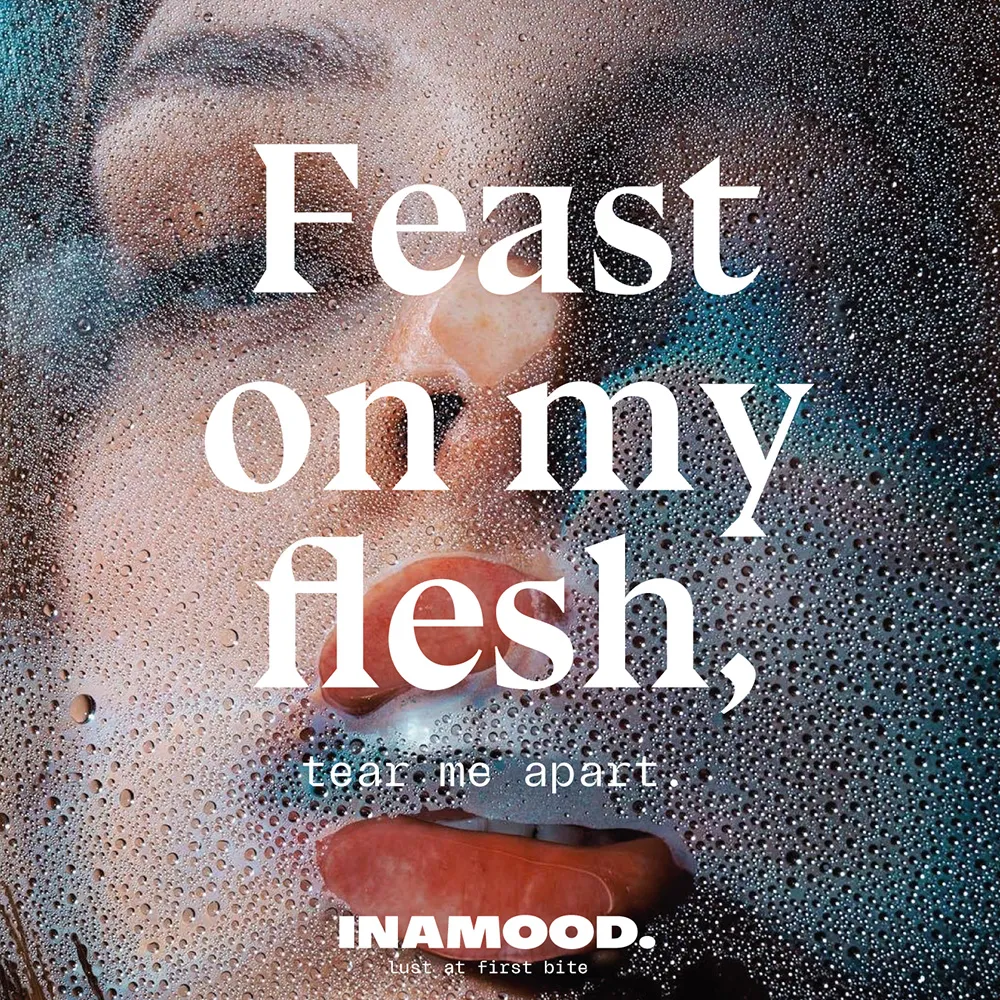
INAMOOD never had a brief in the normal sense, because the brand did not exist yet to write one about. Lodewijks Meat came to us with a fact (they supplied three quarters of the country’s premium meat and nobody had heard of them) and a constraint (a category the press had already turned against), not a script. Everything after that, the positioning, the name, the launch event, came out of sitting in that gap. A finished ask would have skipped straight past the part of the job that actually mattered.
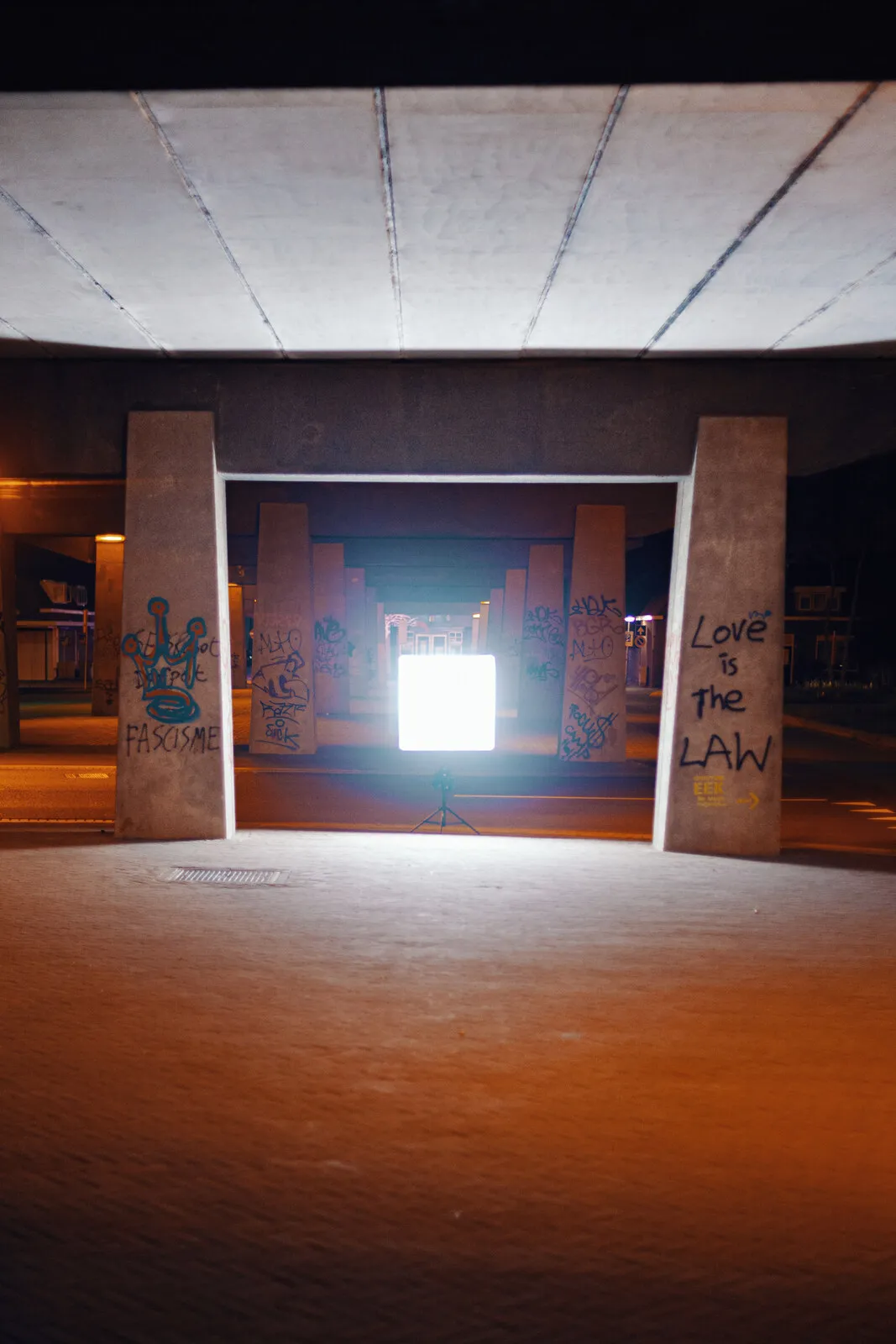
Novaform is the same idea at a smaller scale. Four development sites, all of them looking like a demolition. The obvious brief asks for renders and a voiceover explaining what is coming, which dresses up the problem instead of using it. We shot the sites at night with one lamp instead, so the empty ground became the reason to look rather than something to apologise for. Nobody asked for that shot. It came from being handed the problem, not the picture.
A brief still matters, maybe more than ever. It just does more for you as a description of what is wrong than as a description of what the deliverable should look like. Bring the constraint, the audience and the actual reason the project exists. The budget is a constraint too, and it goes further when you ask for more on one day, not less. Leave the treatment to the people you hired to have one, because if you had already decided it yourself, you would not need us.
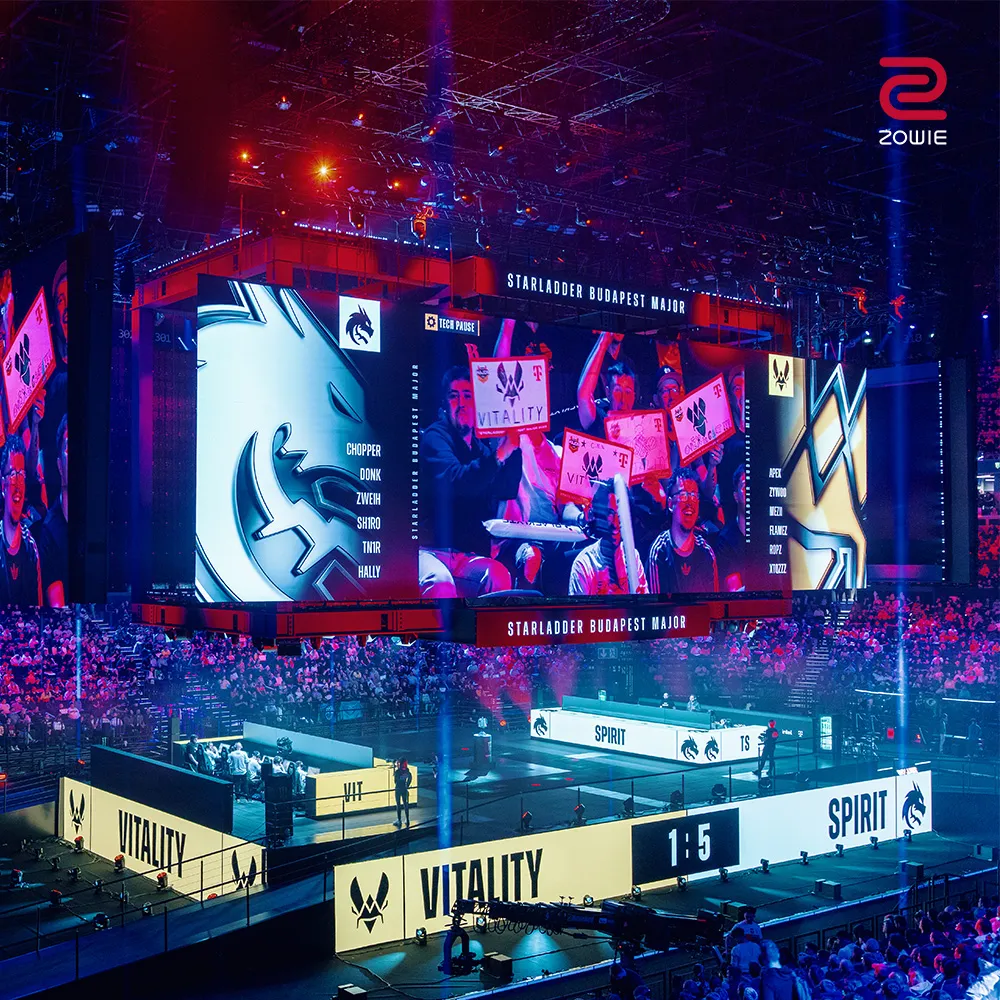
The other end of this is BenQ ZOWIE: ten years and dozens of shoots into a relationship where the brief has worn down to almost nothing, a date and a hall. That is not the absence of a brief. It is what a good one turns into once both sides have said the same things to each other often enough that neither needs to any more.
None of that means showing up empty-handed. Below is the structure we actually send once that first conversation has happened, so fill in what you already know and leave the rest blank. The blanks are not a problem: they are the agenda for the call that comes after.
If a brief is turning into a shot list before it reaches us, send the problem instead. That is the part worth our time, and yours.
Want a form to fill in yourself?
Fill in what you already know and leave the rest blank. That's exactly where the conversation starts.
Related cases
Brand & Design
INAMOOD
Lodewijks Meat supplied three quarters of the Netherlands' premium meat and had no consumer brand. We named INAMOOD, built the identity, packaging, app and webshop, and launched it across a city.
Video
Novaform
A developer with four sites that all looked like demolition. We shot them at night with a single light, so the empty ground became the reason to watch.
Video
BenQ - Zowie Europe
MG is BenQ's main production team for Europe, on location across the continent for BenQ and its esports daughter company ZOWIE.
Let's work together
Fifteen minutes, no deck. Bring the product and we'll tell you honestly what we'd do with it.
← All insights